 how-to
How to Reset Car Immobilizer System: Step-by-Step Guide
Table of Contents
- What an Engine Immobilizer System Does and Why It Locks You Out
- Signs of a Bad Immobilizer: When a Reset Won't Fix It
- How to Reset Car Immobilizer System: The 15-Minute Key Fob and Battery Method
- Using a Car Immobilizer Reset Tool and OBD-II Scanner
- Make and Model Differences: Why One Reset Procedure Doesn't Fit All
- The Cost of Immobilizer Repair and When to Call a Professional
- Bypassing an Immobilizer: Legal and Insurance Risks to Know
- Frequently Asked Questions
Last Updated: October 2, 2026
What an Engine Immobilizer System Does and Why It Locks You Out
An engine immobilizer system is an electronic anti-theft device that stops the engine from starting unless it reads the correct transponder key chip. It works automatically, so most drivers never think about it until their car refuses to start.
The Role of the ECU, BCM, and Transponder Key
Three parts talk to each other every time you turn the key:
- ECU (engine control unit): runs the engine and checks the security code before allowing a start.
- BCM (body control module): manages the security light, door locks, and keyless entry.
- Transponder key: holds a small chip that broadcasts a unique code.
Signs of a Bad Immobilizer: When a Reset Won't Fix It
A bad immobilizer shows clear symptoms, and a reset only helps with a sync problem, not a hardware failure.
Watch for these signs:
- The security light stays on or flashes after you insert the key.
- The engine cranks but never starts, with no other warning.
- The lock symbol on the dash refuses to go out.
- Keyless entry or remote start stops responding.
- A new key works once, then fails the next morning.
How to Reset Car Immobilizer System: The 15-Minute Key Fob and Battery Method
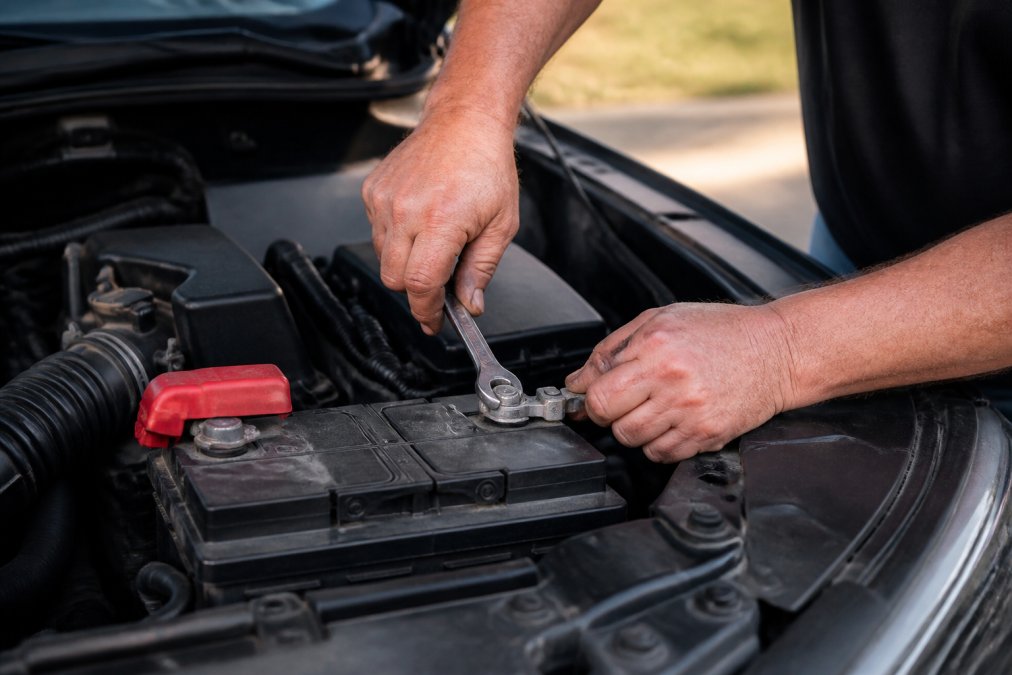
The fastest home fix for how to reset car immobilizer system faults is a two-part method: resync the key fob, then hard reboot the module by disconnecting the negative battery terminal. Most drivers finish in about 15 minutes.
Step 1: Synchronize the Key Fob
A key fob synchronization fault is the most common cause of a no-start with a working key, the fob and car have lost their matching code.
Try this sequence:
- Sit in the driver's seat with all doors closed.
- Insert the key and turn it to ON without starting.
- Press the lock button on the fob and hold it for five seconds.
- Turn the key off, then repeat the cycle two more times.
- Remove the key and test the start.
Step 2: Disconnect the Negative Battery Terminal for a Hard Reboot
A hard reboot clears the module's temporary memory, including a stuck security code. This is the step most guides rush, and where people cause damage.
Do it in this order:
- Turn the ignition off and remove the key.
- Loosen the negative battery terminal with a wrench.
- Lift the cable off and set it aside so it cannot touch metal.
- Wait 15 to 30 minutes. This lets the capacitors drain.
- Reconnect the negative terminal and tighten it snugly.
- Start the car and watch the security light.
Step 3: Inspect the Ignition Cylinder and Immobilizer Antenna
The immobilizer antenna is a ring around the ignition cylinder that reads the key chip. If it is loose, dirty, or damaged, the car will never read the key, no matter how many resets you try.
Check these points:
- Look for a loose or cracked ring around the key slot.
- Check the wiring harness behind the cylinder for a loose plug.
- Try your spare key. If the spare works, the first key chip is failing.
- Wiggle the key gently in the cylinder. Excess play points to a worn ignition cylinder.
Using a Car Immobilizer Reset Tool and OBD-II Scanner
A car immobilizer reset tool reads and clears the fault codes that keep the security system locked. For anything beyond a fob resync, an OBD-II scanner is the correct next step, but not every scanner can do the job.
Code Reader vs. Security-Capable Scan Tool
A basic OBD-II code reader, under $50 at any auto parts store, reads and clears generic powertrain codes, but will not read immobilizer-specific codes or perform a security relearn. For immobilizer work you need a scan tool with body control module (BCM) and security access capability, such as an Autel, Launch, manufacturer-specific platform, or a subscription tool that unlocks the security functions.
The Diagnostic Process
- Plug the scanner into the OBD-II port under the dash.
- Select the vehicle make, model, and year so the tool loads the correct security protocol.
- Read the diagnostic trouble codes stored in the BCM, ECU, or immobilizer module.
- Note any code tied to the antenna, key chip, or module communication.
- Clear the code only after you fix the cause, not before.
Clearing a code without fixing the fault just hides it until the next start. A full scan tool with security access is needed to reprogram keys and modules.
What the Codes Actually Tell You
Immobilizer codes fall into three families, and the family tells you where to look:
- Key or transponder codes point to the key chip, the antenna ring, or the key's programming. These are the codes a relearn can sometimes fix.
- Module communication codes point to a wiring fault, a failed BCM, or a failed immobilizer module. These are not fixed by a battery disconnect.
- Security access codes mean the module is locked and needs an OEM-level tool to unlock. These are the codes that send most DIYers to a professional.
When a Scan Tool Is Not Enough
Some immobilizer faults are not code-driven at all. A cracked antenna ring, corroded connector, or failed module will not always set a clean code. If the scanner shows no codes but the security light is still on, the fault is likely physical, and a technician with a wiring diagram and multimeter is faster than any scan tool.
Make and Model Differences: Why One Reset Procedure Doesn't Fit All
Reset steps vary by make and model, and treating every car the same is the biggest mistake DIY guides make. The button sequence, fuse layout, module locations, and whether the security relearn is locked behind an OEM tool all change between brands. Below are the patterns for the three best-selling passenger-car brands, plus the general system types you will run into.
Brand-Specific Reset Nuances
Toyota (and Lexus)
Toyota immobilizer systems are built around the transponder key and the engine control unit. On older models with a physical key, the common relearn is an ignition cycle: insert the master key, turn to ON, wait for the security light to go out, then turn off and repeat. On push-button models, the fob has a backup slot, often under the cupholder, inside the center console, or behind the start button, and holding the fob against the start button while pressing the brake is the standard workaround when the fob battery is dead.
Honda (and Acura)
Ford (and Lincoln)
General System Types
| System Type | Common Reset Method | Notes |
|---|---|---|
| Older transponder keys | Ignition cycle sequence | No scan tool needed; master key often required |
| Push-button start | Fob in backup slot, then brake pedal | Slot location varies by model; check the owner's manual |
| Keyless entry with BCM | Battery disconnect plus relearn | May need a scan tool to finish the relearn |
| Late-model vehicles | Dealer or OEM tool required | Security access is locked by design |
On many newer vehicles, the manufacturer locks the security relearn behind an OEM-level tool. That is not a fault in your method, it is a deliberate design choice to stop thieves, and why a generic "disconnect the battery" video will not get you past a locked module.
The Cost of Immobilizer Repair and When to Call a Professional
The cost of immobilizer repair depends on the fault, the vehicle, and whether a new key or module is needed, so no honest shop quotes a flat number before diagnosis.
Repair work usually falls into three buckets:
- Key and fob issues: a resync, new key, or fob programming.
- Module issues: a BCM, ECU, or immobilizer module that needs repair or replacement.
- Wiring and antenna issues: a broken ring, harness, or connector.
Call a professional when:
- The security light stays on after a full battery reboot.
- Your only key is lost or the chip has failed.
- The scanner shows a module communication fault.
- The car is a late model with locked security access.
Bypassing an Immobilizer: Legal and Insurance Risks to Know
Bypassing an immobilizer is not a shortcut. In most states it is illegal to disable or tamper with a factory anti-theft device, and it can void your insurance coverage on a theft claim.
Here is what you risk:
- Legal exposure: tampering with a security device can be a criminal offense, and some states treat it as a separate charge.
- Insurance denial: if your car is stolen after a bypass, the insurer can refuse the claim.
- Resale problems: a disabled immobilizer shows up in diagnostics and scares off buyers.
- Safety loss: you have removed the one feature that stops a hot-wire theft.
Frequently Asked Questions
Can I reset an immobilizer system myself?
Yes, in many cases. Start with the key fob synchronization method: sit in the driver's seat with the key, press the lock button, then unlock within 10 seconds. If that fails, disconnect the negative battery terminal for 15-30 minutes to force a hard reboot of the ECU and BCM. These steps resolve most temporary glitches. If the warning light stays on after two attempts, the issue is likely a faulty sensor, antenna, or key chip that needs OEM-level diagnostics.
How much does immobilizer repair cost?
The cost of immobilizer repair depends on the failure point. A key fob reprogramming or simple reset is usually the least expensive fix. Replacing a faulty immobilizer antenna or ignition cylinder costs more, and a failed immobilizer module or BCM that needs replacement and reprogramming sits at the top of the range. Dealerkeys provides mobile and mail-in module repair so you can get a quote before committing.
Why is my anti-theft light flashing after a battery change?
A voltage spike or brief power loss during a battery swap can scramble the immobilizer's memory, triggering the security light and preventing the engine from starting. This is one of the most common signs of a bad immobilizer state, but it's usually temporary. Disconnect the negative terminal for 15-30 minutes, reconnect it, then try the key fob synchronization sequence. If the light persists, an OBD-II scanner can pull diagnostic trouble codes from the BCM to pinpoint the fault.
Is it possible to bypass an immobilizer without special tools?
Bypassing an immobilizer without proper tools is not recommended and is illegal in many situations. Insurance companies treat a bypassed anti-theft system as a coverage risk, and some states require functioning immobilizers for registration. Legitimate bypass only happens through authorized reprogramming with OEM-level equipment. If your immobilizer is preventing the car from starting, a proper reset or module repair is the safe path. Dealerkeys handles module repair and reprogramming to factory specifications.
A dead immobilizer can leave you stranded at the worst possible time, and the home fixes only go so far. When a fob resync or battery reboot fails, Dealerkeys can help with mobile key and fob programming, OEM-level diagnostics for BCM, ECU, and immobilizer faults, and a mail-in module repair service that gets your vehicle back to factory specs. Call Dealerkeys for dispatch and get your car starting again.